


Featured · Catamaran
Cooler Nights, Smarter Power: Rethinking Air Conditioning on Catamarans
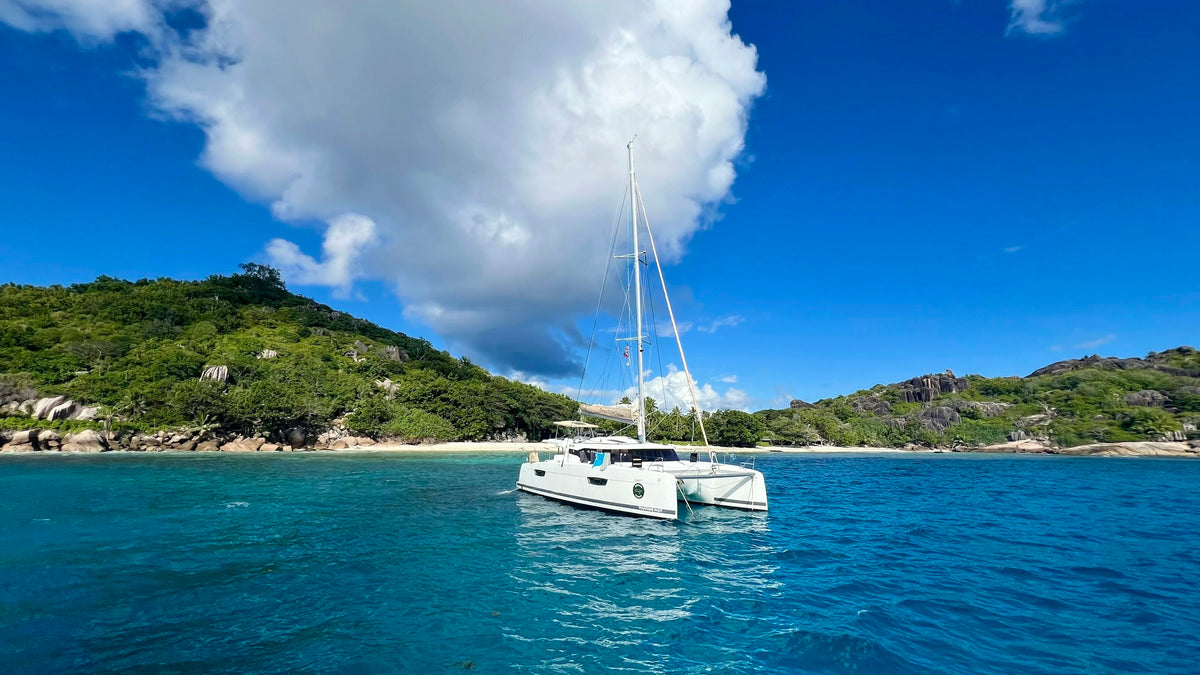
Catamarans are built for living aboard. Wide beams, spacious saloons, and panoramic windows make them some of the most comfortable cruising boats on the water. But those same features create one of the toughest cooling challenges in boating. Anyone who has spent a summer afternoon in a catamaran saloon at anchor in the tropics knows how quickly the heat builds.
For years the standard answer has been a large central air conditioning system and a generator to run it. That approach works, but it comes at a cost in fuel, noise, maintenance, and wasted energy. DC air conditioning offers a better way, and SeaAir is bringing it to the scale catamarans demand.
Why Catamarans Run Hot
A catamaran carries significantly higher heat loads than a monohull of similar length. The bridge deck is the main reason. Sitting high above the water, the saloon and galley are surrounded by large expanses of glass that act like a greenhouse. Sunlight pours in through the windows all day, and the broad cabin top absorbs heat from above. Unlike a monohull cabin tucked below the waterline, where the surrounding water helps moderate temperatures, a bridge deck is exposed on nearly every side.
Down in the hulls, the picture is different. Each hull typically holds its own cabins and heads, separated from the saloon and from each other. Those spaces heat up too, but they are smaller, more enclosed, and used mostly at night. In other words, a catamaran has two very different cooling problems: a large, sun-soaked living space during the day, and several separate sleeping cabins overnight.
The Problem With Big Central Systems
Most production catamarans leave the factory with, or are commonly fitted with, a large central AC-powered air conditioning system. One or more big compressors feed chilled water or refrigerant through the boat, with ducting and air handlers reaching into each space. On paper it's a single solution for the whole boat. In practice it has real drawbacks.
Wasteful by Design
A central system is sized to cool the entire boat at once, and it tends to run that way. When the crew is asleep in the hulls, the system is often still pushing capacity toward a saloon no one is using. Long duct runs lose cooling along the way, and fixed-speed compressors cycle hard on and off rather than matching output to demand. The result is a lot of energy spent cooling spaces that don't need it.
Hard to Manage
Balancing a central system across multiple cabins is notoriously difficult. One cabin is too cold while another stays warm, and adjusting one zone affects the others. Owners end up fiddling with vents and thermostats, or simply running the whole system harder than necessary to keep the warmest cabin comfortable.
Tied to the Generator
Because these systems run on AC power, away from the dock they almost always depend on a generator. That means generator run times measured in hours every day and often through the night. It means fuel burned, diesel noise and exhaust drifting through a quiet anchorage, and maintenance intervals that pile up fast. Many catamaran owners find their cruising schedule starts to revolve around the generator rather than the other way around.
A Better Approach: Compartmentalized Cooling
The layout of a catamaran is actually ideal for a different strategy. Instead of one large system trying to serve the whole boat, independent units can be dedicated to each space and run only when that space is in use.
Cool the Cabins Overnight
At night, everyone is in the hulls. With a dedicated unit in each cabin, you cool only the berths that are occupied and leave the saloon off. SeaAir's low-draw Overnight mode is built for exactly this: once a cabin is cooled down, the variable-speed compressor settles into a gentle, efficient rhythm that holds temperature through the night. That kind of targeted, low-draw cooling is what makes running from batteries realistic, with no generator needed.
SeaAir's patented power budgeting features add another layer of protection. The system manages its draw against the energy available in your bank, so you wake up cool and still have power for refrigeration, navigation, and the rest of your morning.
Real Redundancy
With a central system, a single failure can leave the entire boat without cooling. With independent units, a problem in one cabin doesn't affect the others. If one unit needs attention, the rest of the boat stays comfortable while you sort it out. For cruisers spending weeks or months far from a service yard, that redundancy matters.
Proven Aboard
This approach is already working in the real world. The team behind the YouTube channel Parlay Revival cruises aboard a Lagoon 450 fitted with four SeaAir cabin systems running from a 2,200Ah battery bank, keeping each cabin comfortable independently without relying on a generator.
Bringing DC Cooling to the Bridge Deck
Cabins are only half the story. The bridge deck, with its large windows and heavy sun exposure, calls for more cooling capacity than a typical cabin unit is designed to deliver. That's why SeaAir is bringing its technology to higher-power systems, including 48V and 120V units rated at 16,000 BTU.
The 48V option is a natural fit for the growing number of catamarans with high-voltage lithium banks, particularly those set up for electric propulsion or large solar arrays. Higher system voltage means lower current for the same power, which allows smaller wiring and greater efficiency. The 120V option serves boats that want to run from shore power or an inverter-based system while still benefiting from SeaAir's efficient variable-speed design.
Together, these systems let owners build a complete cooling plan around how a catamaran is actually used: a high-capacity unit for the saloon during the day, and dedicated cabin units running quietly in the hulls at night.
Leaving the Generator Behind
When cooling runs efficiently from batteries and solar, generator run times drop dramatically, and on many boats the generator can stay off most of the time. The benefits add up quickly: quiet evenings at anchor, no exhaust drifting into the cockpit, less diesel burned, fewer fuel dock visits, and far less maintenance. Catamarans have abundant roof space for solar panels, which makes them especially well suited to harvesting energy during the day and using it for cooling at night.
Popular Catamarans That Benefit
Owners of Lagoon, Leopard, Fountaine Pajot, Bali, and Excess catamarans all face the same basic challenge: a large, glass-heavy bridge deck paired with separate cabins in each hull. Whether you're cruising a charter-proven Leopard, a liveaboard Lagoon, or a modern Bali with its open-plan saloon, compartmentalized DC cooling fits the way these boats are laid out and lived on.
The Bottom Line
Catamarans have higher heat loads, more separate spaces, and greater power demands than almost any other cruising boat. Big central systems try to solve all of that at once, and the price is wasted energy, hard-to-balance cabins, and hours of generator time. Compartmentalized DC cooling solves each problem where it happens: dedicated cabin units running efficiently overnight, redundancy built into the design, and higher-power 48V and 120V systems to handle the bridge deck.
Contact SeaAir to design a cooling system that fits your catamaran.
More featured articles
Featured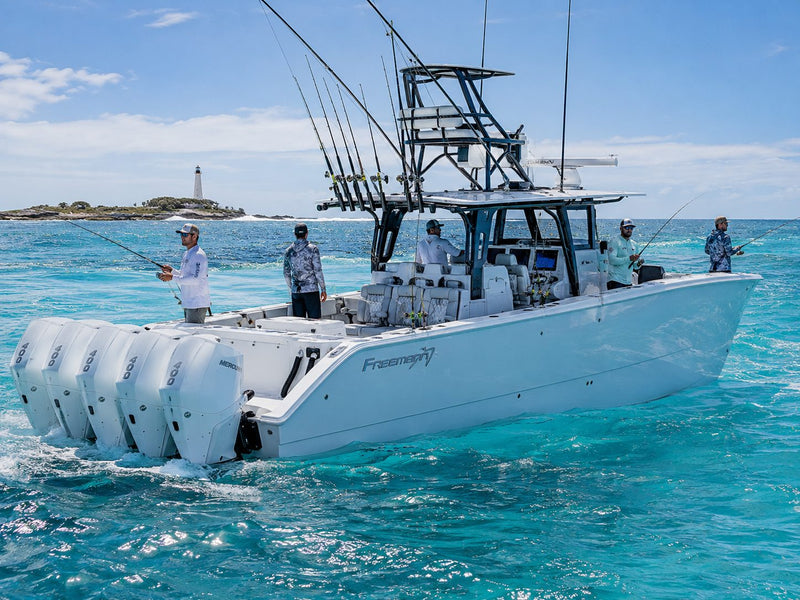
Cool at the Console: How SeaAir Brings True Air Conditioning to Center Console Boats
No generator, no lost deck space: SeaAir runs straight off the battery bank to cool the head compartment and duct cold air out the dash to the helm.
READ THE ARTICLE →
Cool Cabins, Quiet Anchorages: Why 12V DC Air Conditioning Suits Monohull Sailboats
Compact, separate cabins make monohulls a natural fit for DC cooling: cool only the berth you’re in, keep a backup when something fails, and leave ...
READ THE ARTICLE →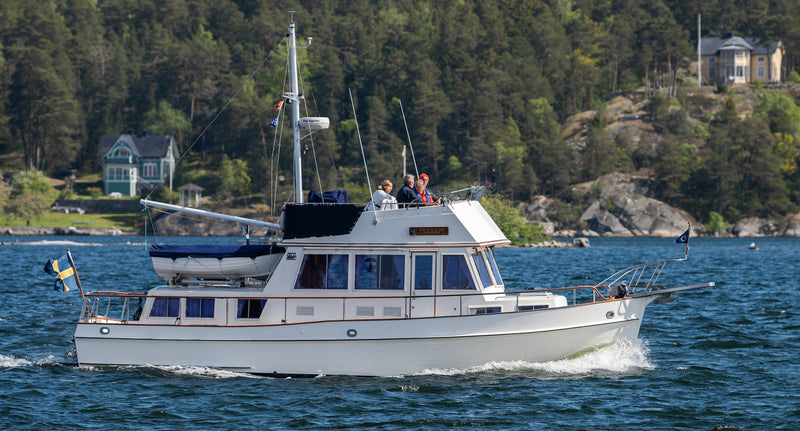
Still Air, Cool Cabins: Why DC Air Conditioning Makes Sense on Trawlers
Trawlers don’t swing to the breeze the way sailboats do, so staterooms hold the day’s heat long after sunset. Overnight DC cabin cooling fixes that...
READ THE ARTICLE →