


Featured · Trawler
Still Air, Cool Cabins: Why DC Air Conditioning Makes Sense on Trawlers
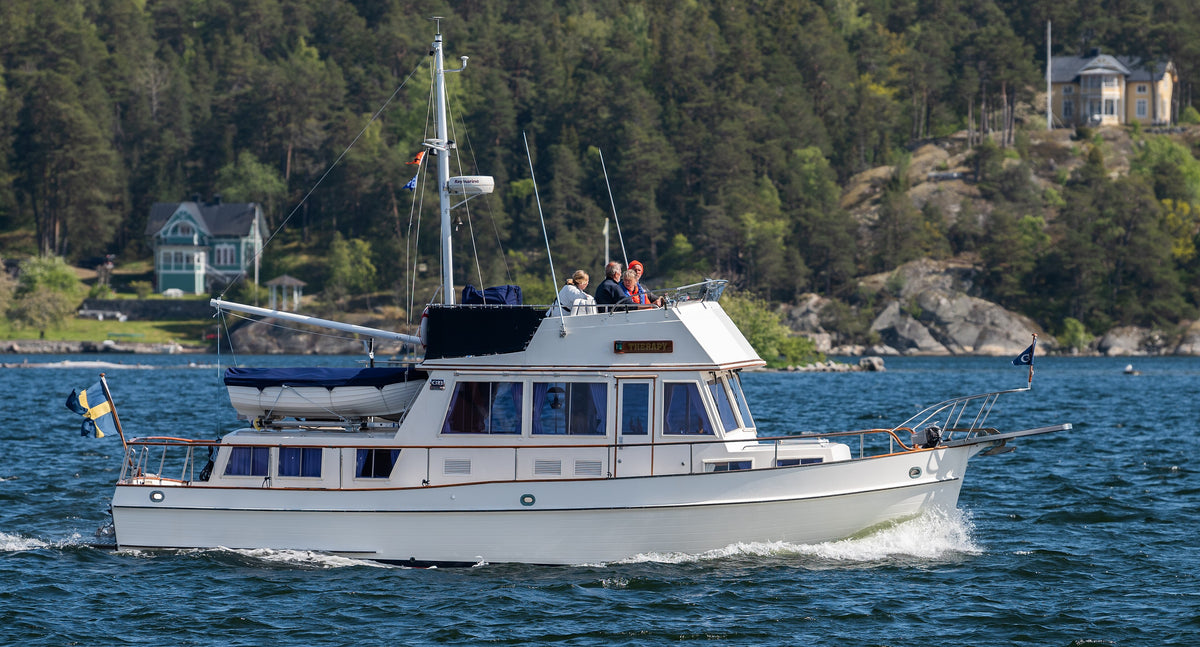
Trawlers are built for comfort and long-range cruising. Owners choose them for their spacious interiors, economical engines, and steady ride. But when the sun goes down in a warm anchorage, many trawler owners discover a problem that sailboat owners deal with far less: the air inside simply doesn't move.
DC air conditioning offers an efficient, quiet way to keep trawler cabins comfortable overnight, without running a generator for hours on end.
Why Trawlers Struggle With Natural Airflow
Sailboats of every kind, monohulls and catamarans alike, are designed around the wind. They typically have deck hatches over nearly every cabin, and at anchor they swing to face the breeze, funneling fresh air through forward hatches and down through the boat. Many sailors add wind scoops and fans to make the most of it.
Trawlers are a different story. Their deckhouses and flybridges sit high and are enclosed, with more interior volume and fewer opening hatches relative to their size. Staterooms are often located below the main deck, tucked forward or aft with limited direct ventilation. Large windows in the saloon and pilothouse let in plenty of light and heat, but much less cross-breeze. Sitting at anchor or tied up in a sheltered marina, a trawler's cabins can stay warm and stuffy long after the sun sets.
Engines add to the picture too. After a day under way, heat from the engine room radiates up into the living spaces, often right beneath the staterooms. By bedtime, the cabins are holding heat from the sun, the engines, and the day itself, with little breeze to carry it off.
Cooling Where You Sleep
This is exactly why overnight cabin cooling is such a good fit for trawlers. During the day, owners and guests are often out on deck, on the flybridge, or moving between spaces. At night, everyone settles into the staterooms, and those are the spaces that need cooling most.
Independent DC units dedicated to each stateroom let you cool only the cabins in use, rather than conditioning the entire boat. Each unit runs from the house battery bank, with no inverter losses and no need for a generator. Variable-speed compressors pull the temperature down quickly, then settle into a steady, efficient draw that holds it.
Built for the Overnight Hours
SeaAir systems include a low-draw Overnight mode designed specifically for sleeping hours. Once the cabin is cool, the system settles into a gentle rhythm that maintains comfort without working harder than necessary. The result is roughly 225 amp-hours over a full 11 to 12 hour night, a figure well within reach of the substantial battery banks many trawlers already carry.
SeaAir's patented power budgeting features protect those batteries along the way. Rather than running until the bank is drained, the system manages its draw against the energy available, so you wake up cool and still have power for refrigeration, electronics, and the morning's departure.
Redundancy Built In
With a single central system, one failure can leave the whole boat hot. Independent cabin units mean that if one needs attention, the others keep running. For long-range cruisers covering hundreds of miles between service yards, that peace of mind is well worth having.
Rethinking the Generator
Many trawlers carry a generator, and many owners have grown used to running it every evening to power the air conditioning. But a generator running through the night brings noise, vibration, exhaust, and fuel burn, along with steadily accumulating maintenance hours.
Trawlers are actually well positioned to break that habit. Their engines often have large alternators that can charge a house bank quickly while under way, and their broad cabin tops and flybridge hardtops provide good real estate for solar panels. Charge by day, cool by night, and the generator can stay quiet. The benefits follow naturally: peaceful anchorages, no exhaust drifting into the cockpit, less diesel burned, and fewer maintenance intervals to keep up with. On a boat built for economical long-distance cruising, saving fuel on cooling is a natural extension of the trawler philosophy.
More Than Comfort: Humidity and Air Quality
Stagnant air aboard isn't just uncomfortable. In warm, humid climates, still air inside a closed-up trawler encourages condensation, musty odors, and mildew in lockers, bedding, and headliners. Air conditioning removes moisture as it cools, so running cabin units overnight helps keep staterooms drier and fresher. Over a season, that can mean less cleaning, less damage to fabrics and wood finishes, and a boat that smells like a boat you want to spend time on.
Drier air also feels cooler at the same temperature, which means cabins can stay comfortable without the system working as hard. For owners who leave the boat closed up between trips, the reduced moisture is another reason to rethink how and where they cool.
Planning Your System
Start by thinking about how your trawler is actually used. How many staterooms are occupied on a typical night? Do you spend more time at anchor or at the dock? What does your charging picture look like from alternators, solar, and shore power? Those answers shape how many units you need and how large your battery bank should be. Lithium banks are especially well suited to DC cooling because they handle deep, repeated discharges and recharge quickly while under way.
The SeaAir team can help you size a system around your boat's layout, your cruising grounds, and the way you like to travel.
Higher-Power Options for Larger Spaces
For owners who want to cool larger areas like the saloon or pilothouse, SeaAir is bringing its technology to higher-power systems, including 48V and 120V units rated at 16,000 BTU. That gives trawler owners the flexibility to pair efficient cabin units for overnight comfort with more capacity for the main living spaces when it's needed.
Popular Trawlers That Benefit
From classic Grand Banks and Kadey-Krogen trawlers to long-range Nordhavns, Selene and Beneteau Swift Trawler models, and compact cruisers like the American Tug, trawler owners share the same challenge: comfortable, spacious boats with less natural airflow than their sailing counterparts. Whether you're doing the Great Loop, cruising the Pacific Northwest, or wintering in Florida and the Bahamas, targeted DC cooling fits the way trawlers are used.
The Bottom Line
Trawlers don't get the breeze that sailboats rely on, and their staterooms can hold heat long into the night. Dedicated DC cabin units solve that problem right where it matters most, running quietly and efficiently from your batteries while you sleep. With low-draw Overnight mode, patented power budgeting, built-in redundancy, and the option to leave the generator off, DC air conditioning is a natural match for the trawler lifestyle.
Contact SeaAir to find out how DC air conditioning can fit your trawler.
More featured articles
Featured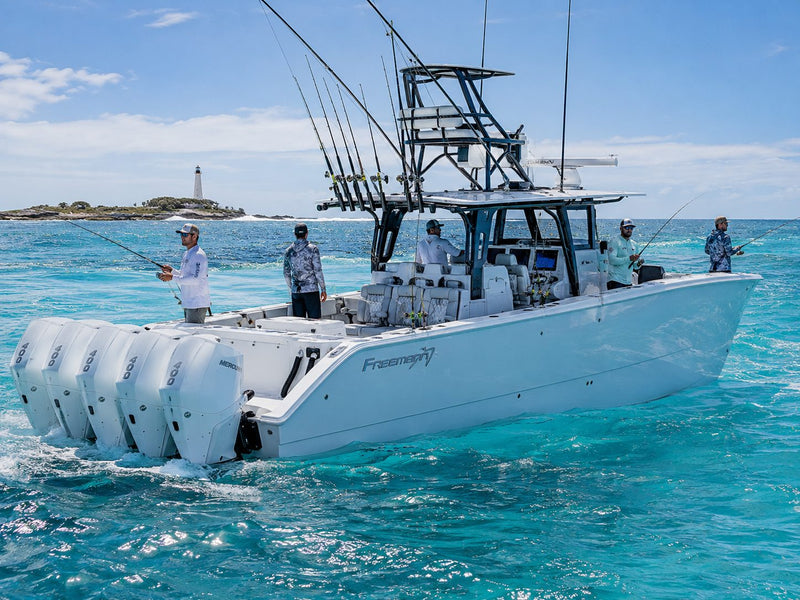
Cool at the Console: How SeaAir Brings True Air Conditioning to Center Console Boats
No generator, no lost deck space: SeaAir runs straight off the battery bank to cool the head compartment and duct cold air out the dash to the helm.
READ THE ARTICLE →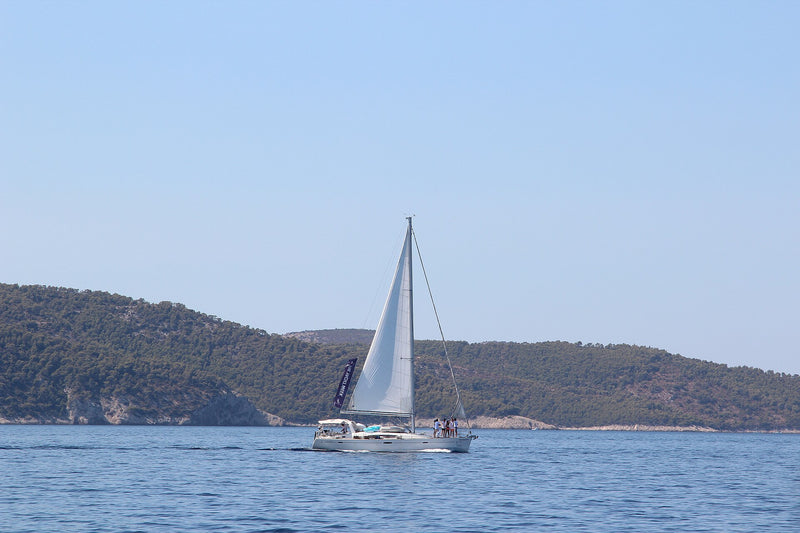
Cool Cabins, Quiet Anchorages: Why 12V DC Air Conditioning Suits Monohull Sailboats
Compact, separate cabins make monohulls a natural fit for DC cooling: cool only the berth you’re in, keep a backup when something fails, and leave ...
READ THE ARTICLE →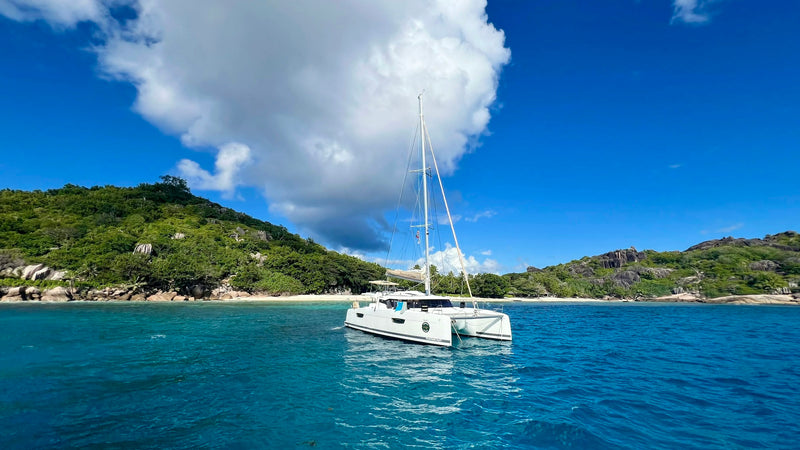
Cooler Nights, Smarter Power: Rethinking Air Conditioning on Catamarans
A glass-heavy bridge deck by day and separate hull cabins by night: catamarans have two cooling problems, and one big central system solves neither...
READ THE ARTICLE →