


Featured · Monohull
Cool Cabins, Quiet Anchorages: Why 12V DC Air Conditioning Suits Monohull Sailboats
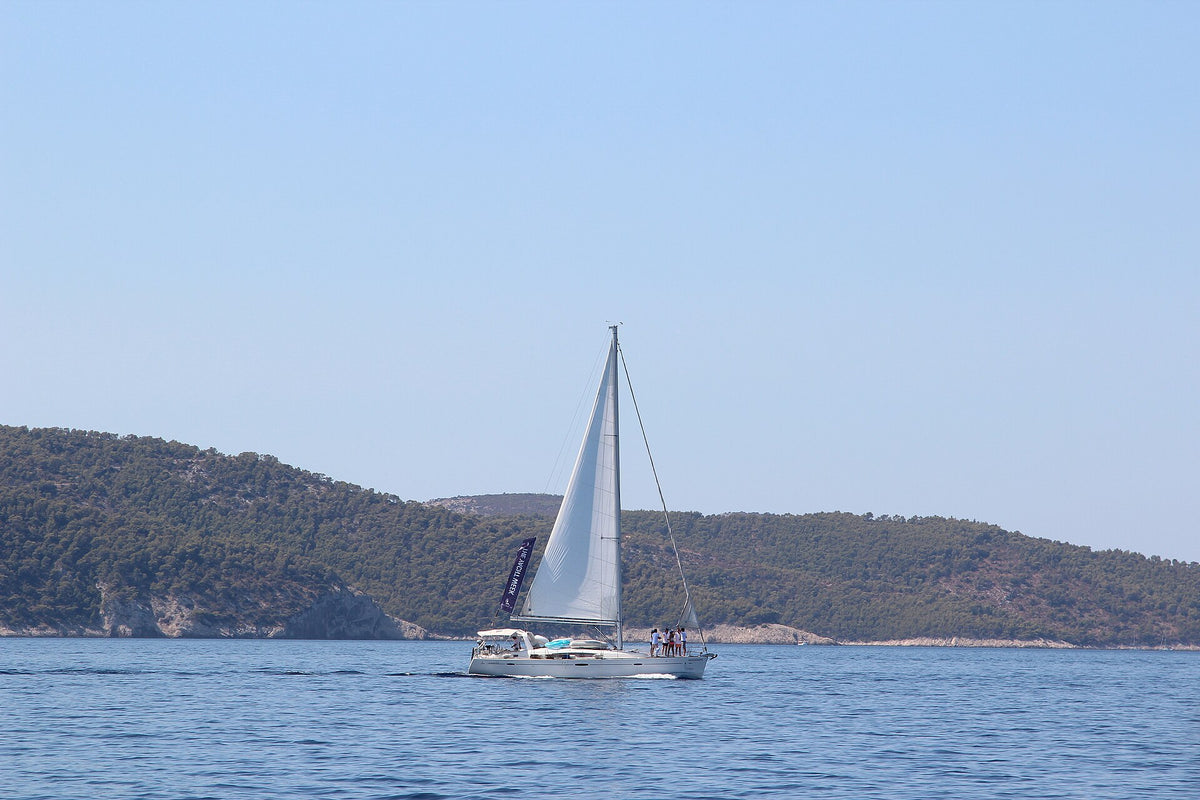
Anyone who has spent a summer night at anchor in the Chesapeake, the Gulf Coast, or the Caribbean knows the feeling. The wind dies at sunset, the cabin holds the day's heat, and the V-berth turns into a sauna. For years sailors had two choices: sweat it out, or fire up a generator and accept the noise, fumes, and fuel bill that come with shore-power-style air conditioning.
Twelve-volt DC air conditioning offers a third option. It's changing how monohull sailors think about comfort on the hook.
A Different Approach to Cooling
Traditional marine air conditioning runs on AC power. At the dock that's easy: plug in and go. Away from the dock, you need a generator or a large inverter running off a very large battery bank. Most sailors end up choosing the generator, and life aboard starts to revolve around its schedule.
DC air conditioning runs directly from your boat's battery bank. There's no inversion step converting DC to AC, so less energy is lost as heat. The compressors are variable-speed, so instead of cycling hard on and off, they ramp up to pull the temperature down and then settle into a lower, steady draw to hold it. That makes them efficient, quiet, and well suited to boats that already rely on batteries, solar, and alternator charging.
Why Monohulls and DC Air Are a Natural Fit
Monohull sailboats have a layout that works in DC cooling's favor. Cabins are compact and separated from each other. There's a forward V-berth, an aft cabin or two, and a saloon in the middle. Those spaces rarely need cooling at the same time. During the day, the crew is in the cockpit or saloon. At night, everyone retreats to their berths.
This is where compartmentalized cooling pays off.
Cool Only the Space You're Using
A single large central system, sized to cool the whole boat, has to push air through ducting to every corner whether or not anyone is there. Independent DC units, each serving one cabin, let you cool exactly what you need. Run the saloon unit during an afternoon lunch below, then shut it off and switch on the cabin units at bedtime. Your energy goes where the people are.
Smaller, dedicated units also mean shorter duct runs and less lost cooling. The air comes out cold and close to where you're sleeping, rather than traveling the length of the boat.
Built-In Redundancy
Anyone who has owned a boat long enough knows the rule: things break, usually at the worst possible time and usually far from a service yard. With a single central system, one failed pump, board, or compressor leaves the whole boat hot.
With multiple independent units, a problem in one cabin doesn't take down the others. If the aft cabin unit needs attention, the forward cabin and saloon keep running. You can shuffle sleeping arrangements for a night or two and still be comfortable while you sort it out. For cruisers who spend weeks away from marinas, that redundancy is a real safety margin for comfort.
Easier Installation in Tight Spaces
Monohull interiors are packed tight. Space under berths and settees is valuable, and running large ducts through bulkheads is rarely simple. Compact DC units can often be tucked into lockers or under bunks close to the cabin they serve, which keeps installations cleaner and preserves storage.
Leave the Generator Off
For many sailors, eliminating generator dependence is the biggest benefit of all. Here's what that looks like in practice.
Peace and quiet at anchor. A generator hums, rattles, and vibrates through the hull. It also carries across the water to every boat nearby. DC air conditioning runs quietly enough that you can sleep next to it, and your neighbors in the anchorage won't know it's on.
No exhaust fumes. Generator exhaust in the cockpit is unpleasant at best. At worst, carbon monoxide is a genuine safety hazard, especially when boats raft up or the wind shifts. Running your cooling from batteries removes that risk from the equation.
Lower fuel costs and fewer fuel runs. Diesel isn't cheap, and generators burn it steadily. Without one running for hours every evening, you'll stretch your fuel further, which means fewer trips to the fuel dock and more flexibility in choosing where you anchor.
Less maintenance. Generators need oil changes, impeller replacements, filter swaps, and regular exercise to stay healthy. They also add hours and wear. Removing or reducing generator use cuts a whole category of maintenance from your list.
Space and weight savings. On a monohull, weight distribution affects how the boat sails. A generator, its fuel, its sound shield, and its exhaust system take up room and add weight. For owners who can skip the generator entirely, that space can become storage, a larger battery bank, or simply a lighter boat.
Comfort that matches how you actually sail. Many sailors already run modern lithium battery banks charged by solar panels and high-output alternators. DC air conditioning fits into that ecosystem. Your solar harvests energy all day, and your cooling draws from it all night, with no engine or generator needed to bridge the gap.
Popular Monohulls That Benefit
DC air conditioning works across a wide range of production monohulls, from coastal cruisers to bluewater boats.
Beneteau Oceanis and First models are among the most common cruising boats on the water. Their multi-cabin layouts, with a forward owner's cabin and one or two aft cabins, are ideal for independent per-cabin cooling.
Jeanneau Sun Odyssey owners often cruise for extended periods and value self-sufficiency. Many already have upgraded battery and solar setups that pair well with DC cooling.
Hanse boats are known for bright, open interiors and large hull windows, which let in a lot of light, and a lot of heat. Targeted cabin cooling helps keep those airy spaces comfortable.
Catalina yachts have a loyal following among coastal and liveaboard sailors in warm climates. Their practical layouts and generous berths make it easy to find a home for compact DC units.
Hunter owners, including those with older models still going strong, often look for upgrades that modernize their boats without major structural changes. DC air conditioning is a comfort upgrade that works well as a retrofit.
Whether your boat is ten years old or brand new, the principle is the same: cool the spaces you use, when you use them, from the power you already have.
Planning Your System
Going DC starts with an honest look at your power budget, and this is where SeaAir systems are designed to make life easier.
Every SeaAir system includes a low-draw Overnight mode built for the hours you're actually asleep. Once the cabin is cooled down, Overnight mode settles the compressor into a gentle, efficient rhythm that holds a comfortable temperature without working harder than it needs to. The result is roughly 225 amp-hours over a full 11 to 12 hour night, a figure most modern lithium banks can handle comfortably and solar can replenish the next day.
SeaAir also includes patented power budgeting features that protect your batteries. Instead of running until your bank is drained, the system manages its draw against the energy you have available, so you wake up cool and still have the power you need for navigation, refrigeration, and starting your day. It's peace of mind that lets you run your air conditioning all night without watching the battery monitor.
Beyond that, consider how many cabins you want to cool, how many hours you expect to run them, and how much charging capacity you have from solar, alternator, and shore power. Lithium battery banks are especially well suited because they handle deep, repeated discharges and recharge quickly. Your cruising grounds matter too: a boat in Florida or the Bahamas will run its cooling far more than one in New England, and your battery and charging setup should reflect that.
The SeaAir team can help you size a system to your boat, your layout, and the way you sail, so you get the comfort you want without surprises on your power budget.
The Bottom Line
Monohull sailboats are built around separate spaces, independence, and self-reliance. DC air conditioning is built around the same ideas. Independent cabin units give you efficient, targeted cooling and redundancy that keeps you comfortable even when something goes wrong. And by running directly from your battery bank, DC cooling lets you leave the generator off, enjoy a quiet anchorage, and keep your focus where it belongs: on the sailing.
Contact SeaAir to find out how DC air conditioning can fit your boat.
More featured articles
Featured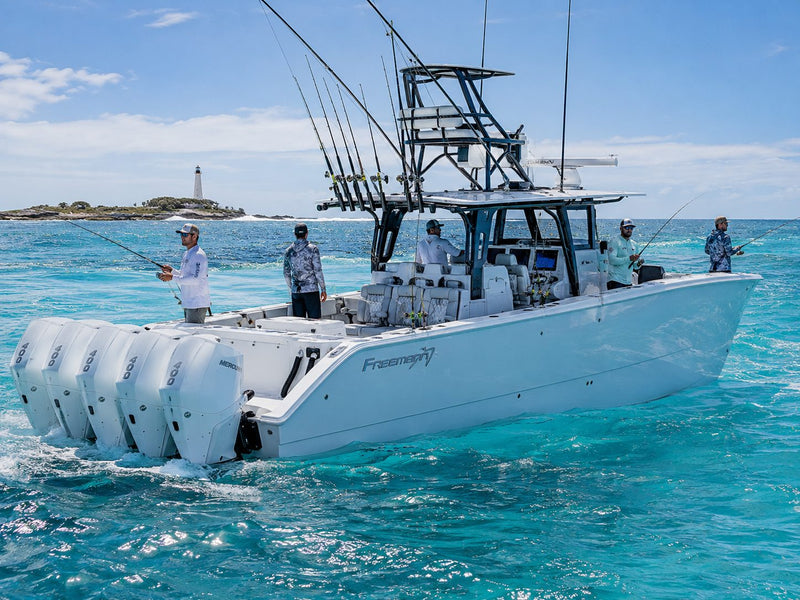
Cool at the Console: How SeaAir Brings True Air Conditioning to Center Console Boats
No generator, no lost deck space: SeaAir runs straight off the battery bank to cool the head compartment and duct cold air out the dash to the helm.
READ THE ARTICLE →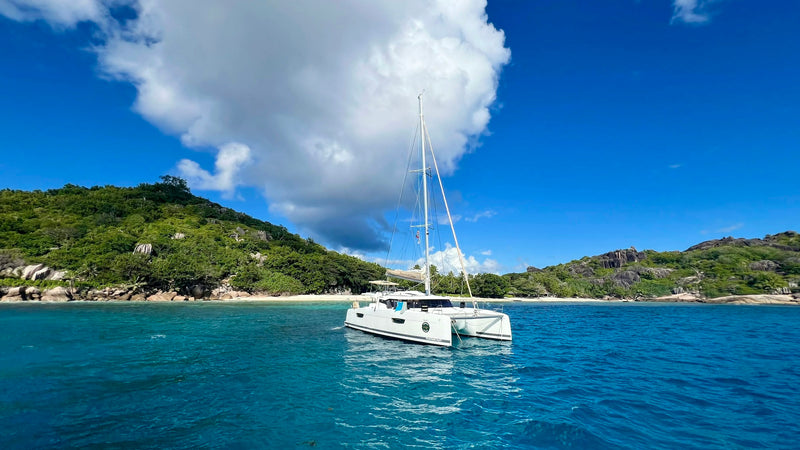
Cooler Nights, Smarter Power: Rethinking Air Conditioning on Catamarans
A glass-heavy bridge deck by day and separate hull cabins by night: catamarans have two cooling problems, and one big central system solves neither...
READ THE ARTICLE →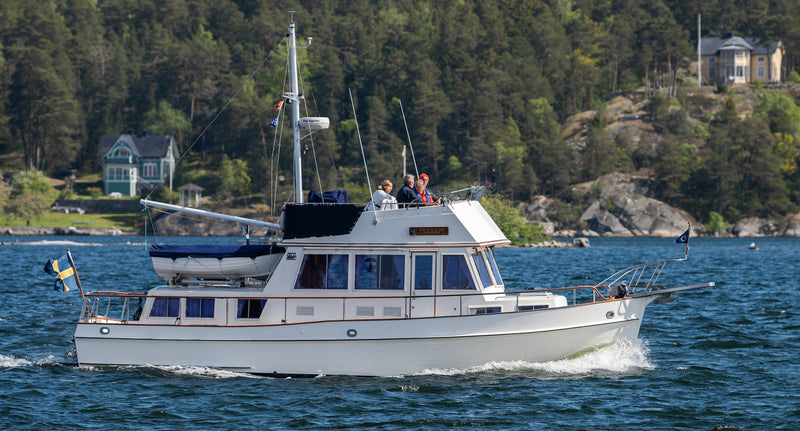
Still Air, Cool Cabins: Why DC Air Conditioning Makes Sense on Trawlers
Trawlers don’t swing to the breeze the way sailboats do, so staterooms hold the day’s heat long after sunset. Overnight DC cabin cooling fixes that...
READ THE ARTICLE →